
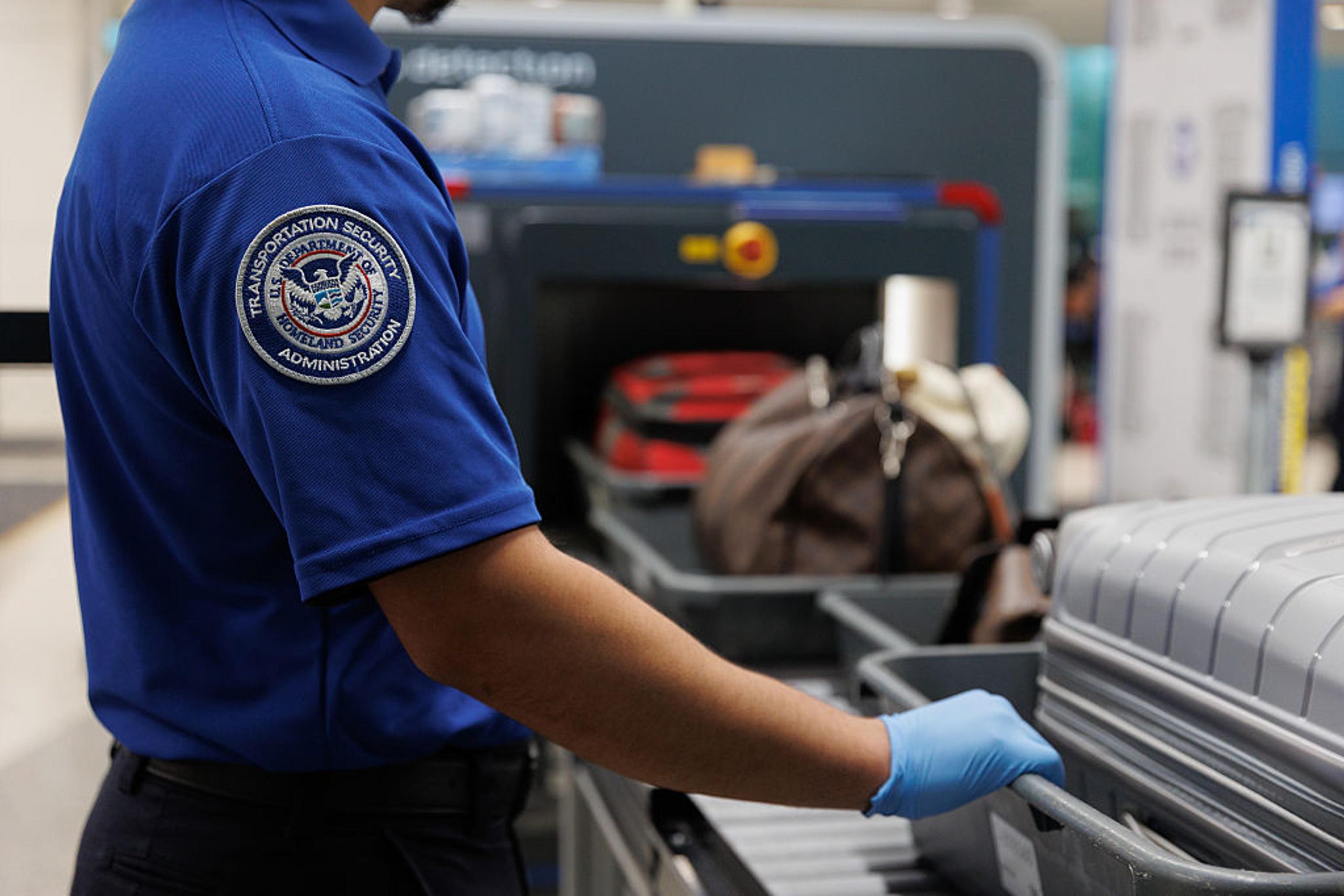
Airport security could look VERY different in the near future!

The Transportation Security Administration is continuing a major expansion of facial recognition technology and digital identity verification systems at airports across the United States, and the changes could dramatically impact how millions of travelers move through TSA checkpoints in the coming years.
The growing rollout comes as facial recognition systems are becoming increasingly common throughout travel hubs, theme parks, sports venues, and entertainment destinations across the country.
According to TSA officials, the agency is continuing to test and expand its Credential Authentication Technology (CAT-2) systems, which use facial recognition to compare a traveler’s live photo with the identification document they present at airport security.

The system works by briefly capturing a real-time facial image at the checkpoint and matching it against the photo already stored on a passenger’s government-issued identification. TSA says the process is designed to improve identity verification accuracy while also helping speed up security lines at participating airports.
TSA officials have emphasized that participation in facial recognition screening remains voluntary. Travelers can currently opt out of the biometric screening process and instead proceed through manual ID verification with a TSA officer.

The agency also states that the facial images collected through the system are not stored or used for surveillance purposes during standard screening operations. According to TSA, photos are generally deleted immediately after identity verification is completed.
The expansion of the technology comes amid growing national debates surrounding privacy, biometric data collection, and surveillance concerns.
Privacy advocates and civil liberties organizations have raised concerns over the increasing use of facial recognition systems in public spaces, warning that broader implementation could lead to long-term data collection risks and expanded monitoring capabilities.
Supporters of the technology, however, argue that the systems can improve security efficiency, reduce fraudulent identification usage, and streamline airport operations for travelers.

TSA has already deployed CAT-2 facial recognition units at dozens of airports nationwide, with the agency expected to continue expanding the systems to additional locations throughout 2026.
The agency is also increasingly integrating digital IDs into the process, allowing some travelers to use mobile driver’s licenses and digital identity systems stored on smartphones and mobile wallets. Participating states currently include Arizona, California, Colorado, Georgia, Hawaii, Iowa, Louisiana, Maryland, Mississippi, New York, Ohio, Puerto Rico, Utah, and Virginia.

While the technology may help shorten lines and modernize airport security, it’s very clear that this is going to remain a hot topic among travelers for quite some time.
We’ll continue following updates to TSA procedures, airport security technology, and major travel policy changes, so be sure to check back soon for more travel news and updates.




Leave a Reply